

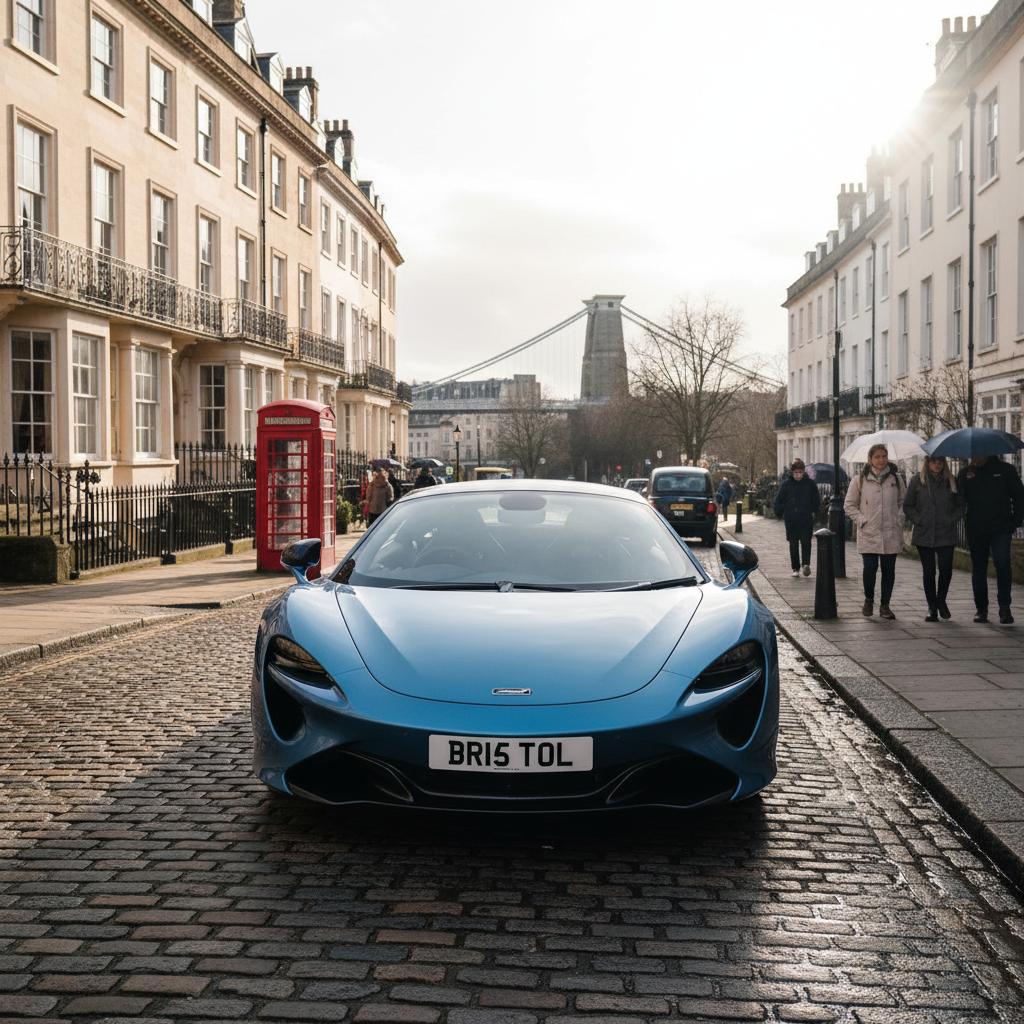
We often talk about the future of motoring, but sometimes, the future is now – quietly humming along the motorways, powering our homes, and even changing how we feel about our vehicles. This month, we're not just looking at the next shiny EV; we're exploring the profound, often unseen, technological shifts that are making sustainable driving a more tangible and beneficial reality for everyday Brits.
Beyond the Dashboard: A Connected Ecosystem
It’s easy to get caught up in range figures and charging speeds, but the real story often lies deeper, in the symbiotic relationship forming between our electric vehicles and the wider energy infrastructure. Take, for instance, the news that used Waymo robotaxi batteries are finding a second life bolstering power grids in California and Texas. This 'second-life' battery application is a game-changer for sustainability, extending the utility of these critical components far beyond their automotive lifespan. It’s a brilliant example of circular economy principles in action, ensuring that the valuable resources within these batteries continue to contribute to a greener energy future, long after they've propelled robotaxis. For us, this means a more robust, more sustainable energy supply, reducing reliance on fossil fuels not just for our cars, but for our homes too. This kind of innovation underscores the environmental impact of EVs extends well beyond tailpipe emissions.
Charging Ahead: The UK's Infrastructure Evolution
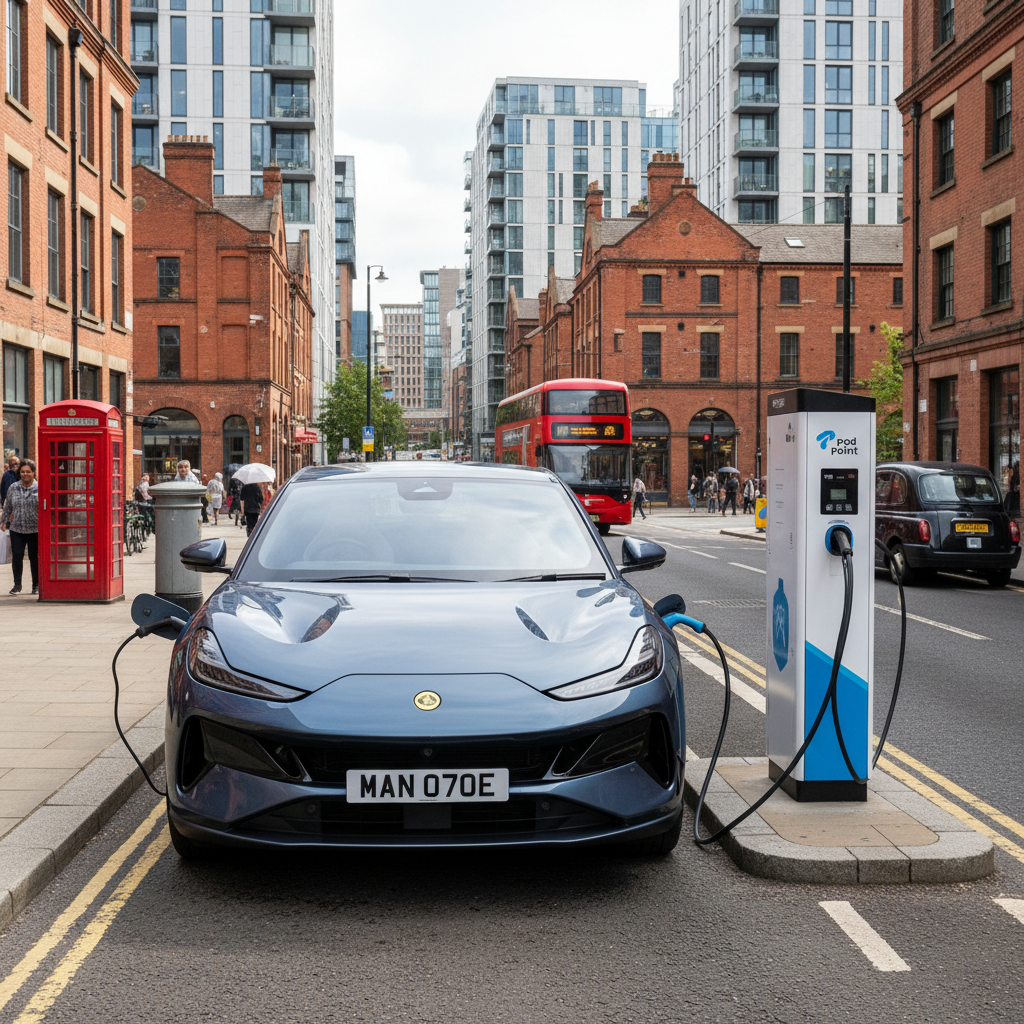
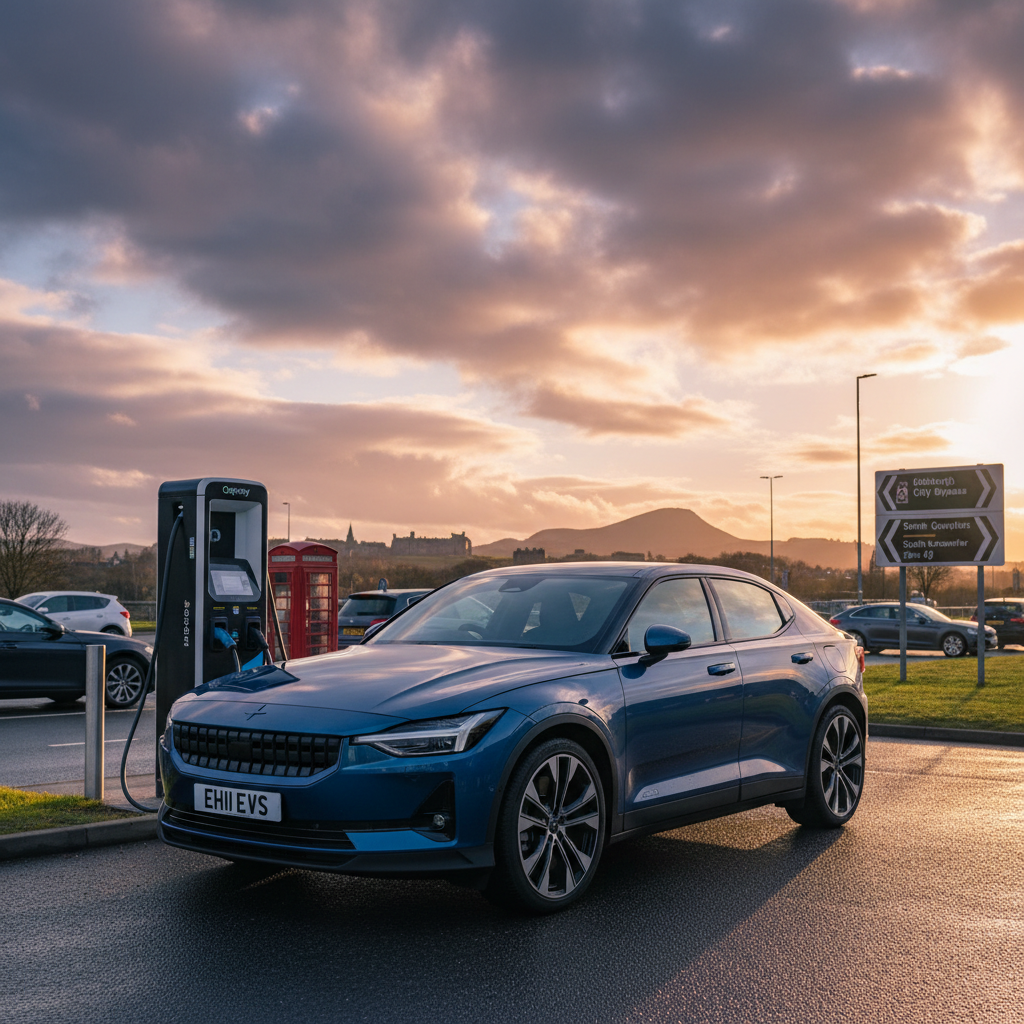
Range anxiety? That’s becoming a relic of the past for many. The UK's charging infrastructure is experiencing a significant upgrade. We’re seeing commitments like the £176 million, 15-year contract secured by EZO (formerly EasyGo) to develop and manage EV charging across four Midlands councils, as reported by EV Infrastructure News. This kind of strategic investment is crucial for building out robust, accessible networks. Furthermore, companies like InstaVolt are investing £2.5 million into battery energy storage systems (BESS) at their charging sites. These BESS installations help stabilise the grid and can protect drivers from fluctuating energy prices, ensuring a more reliable and potentially more affordable charge. We're also seeing projections of over 5,000 ultra-rapid chargers nationwide by mid-2026, many offering speeds up to 500kW – that’s enough to add 100 miles of range in under 3 minutes at select locations, according to The Electric Car Scheme. This dramatic improvement in charging speed and availability is precisely what's needed to convince more drivers to make the switch to zero-emission motoring.
The Drive to Digital: AI, Performance, and Privacy
On the vehicle front, innovation continues at pace. Audi is pushing the boundaries of performance with plug-in hybrids like the new Nuvolari V8 and the 2027 RS5, featuring cutting-edge electric torque-vectoring differentials. These vehicles showcase how hybrid technology can deliver exhilarating performance while offering reduced emissions for everyday driving – a fantastic blend for those not yet ready for a full EV. It proves that eco-friendly doesn't mean compromising on driving dynamics.
But it's not just about what's under the bonnet. The development process itself is being revolutionised. General Motors, for instance, is leveraging AI and machine learning to dramatically speed up vehicle development, cutting design simulation times from 15 hours to just one minute. This focus on virtualisation, using things like digital twins, means faster innovation cycles, more efficient engineering, and ultimately, better and safer eco-friendly vehicles arriving sooner.
Intriguingly, while the industry moves towards ever-more connected cars, there's a refreshing counter-trend emerging. Slate's electric pickup, for example, is making headlines by promising never to track you, foregoing an embedded modem entirely. In an age where data privacy is paramount, this 'privacy-first' approach offers a unique selling point for drivers who value their digital autonomy as much as their sustainable credentials. It's a reminder that green tech can also be about consumer choice and control.
Practicality and the Path Ahead
If you're considering making the switch, the practicalities are increasingly compelling. The average EV in 2025 achieves around 300 miles on official WLTP tests, effectively banishing range anxiety for most daily commutes and even longer journeys. With improved charging infrastructure, smarter grid integration through technologies like Vehicle-to-Grid (V2G) solutions, and continued innovation in battery tech, the transition to sustainable motoring has never been more attractive. We're moving towards a future where EVs aren't just an alternative, but the logical, practical, and eco-friendly choice for everyone.
Key Takeaways for Future Motoring:
- Second-Life Batteries: Used EV batteries are finding new purpose in energy grids, enhancing sustainability and grid stability.
- Rapid Charging Revolution: The UK is seeing massive investment in ultra-rapid charging, significantly reducing charging times and boosting convenience.
- Performance Hybrids: Advanced PHEVs like Audi's Nuvolari and RS5 prove that sustainable performance is a compelling reality.
- AI-Driven Innovation: AI and ML are accelerating vehicle development, bringing better, safer EVs to market faster.
- Privacy-First EVs: A new trend of 'unconnected' EVs offers a unique choice for drivers concerned about data tracking.
The journey towards fully sustainable motoring is a complex one, but the direction is clear. From the grid infrastructure silently powering our homes with repurposed EV batteries, to the cutting-edge performance hybrids redefining driving dynamics, the technological advancements are knitting together a more efficient, greener, and more driver-centric future. As an EV specialist, I can tell you that the future of mobility isn't just electric; it's smart, sustainable, and increasingly tailored to our real-world needs.
This month, we're exploring the profound, often unseen, technological shifts that are making sustainable driving a more tangible and beneficial reality for everyday Brits.
This dramatic improvement in charging speed and availability is precisely what's needed to convince more drivers to make the switch to zero-emission motoring.
As an EV specialist, I can tell you that the future of mobility isn't just electric; it's smart, sustainable, and increasingly tailored to our real-world needs.