

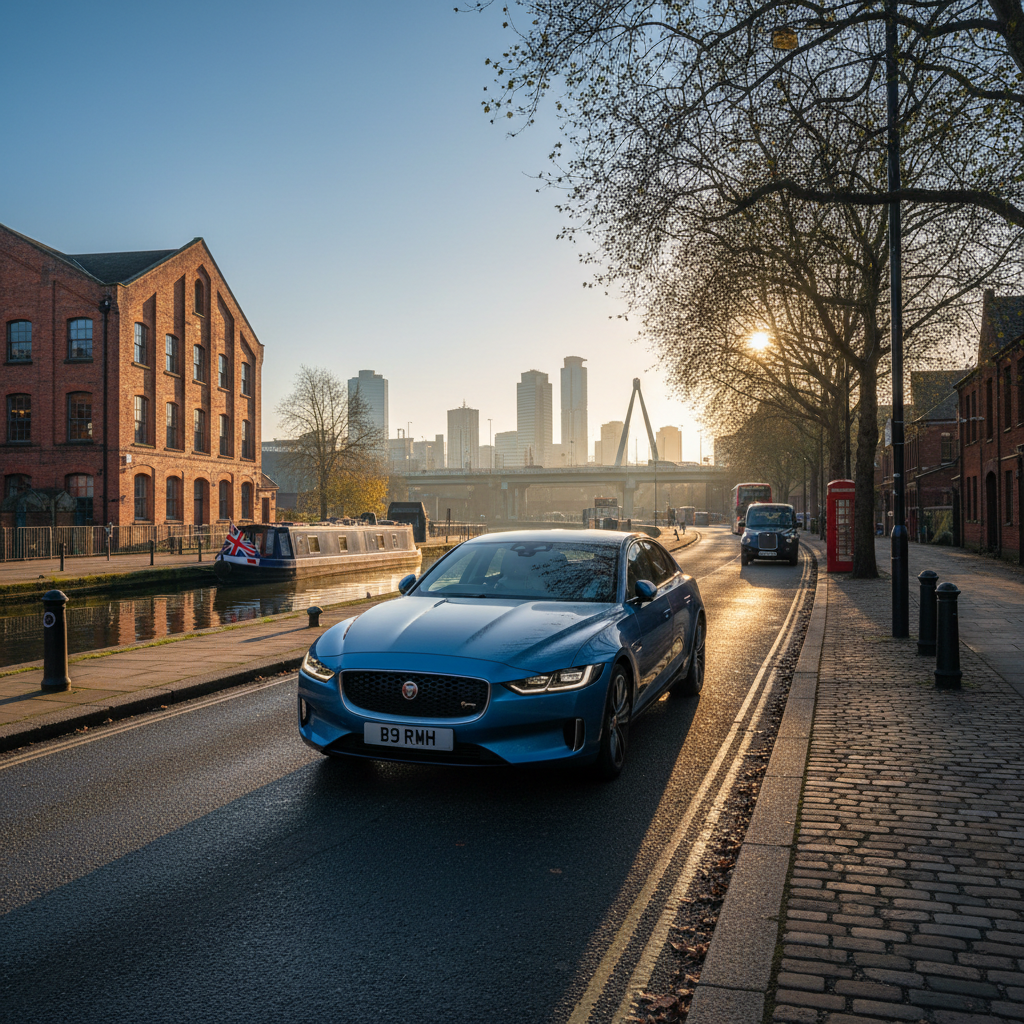
Every single time an electric vehicle turns a wheel without a passenger inside, a chunk of our green transition goes straight down the drain. It is a massive waste. Indeed, a startling study reported by Ars Technica shows that robotaxis spend nearly half of their driven miles completely empty. This sort of structural inefficiency highlights a vital truth about modern transport: the future of motoring isn't just about putting batteries on wheels. It is about building a smart, software-defined ecosystem that squeezes maximum value out of every single watt of power.
If you are thinking about making the switch to an electric car, the sheer pace of of change can feel a bit daunting. But the real shift isn't just happening under the bonnet of the latest models. It is happening in how those cars talk to our homes, our local chargers, and the wider National Grid. We are moving away from passive motoring. Instead, we are entering the era of the car as an active, useful energy asset.
The Rise of the Software-Defined Machine
To see where we are heading, look at the highly anticipated 2027 Rivian R2. In a recent first drive review, Ars Technica hailed the sub-$60,000 (roughly £48,000) electric SUV as a genuine leap forward. For my money, what makes the R2 so disruptive isn't its adventure-ready styling, but its clever structural battery pack and integrated software. By designing the car's brain and battery system in-house, manufacturers can squeeze out maximum efficiency, pushing real-world ranges towards a very usable 300 miles.
To be fair, driving efficiently is only half the battle. What happens when your car is parked? Instead of letting that high-capacity battery sit idle, the industry is turning cars into mini power stations. According to Ars Technica, GM Energy has expanded its vehicle-to-grid (V2G) support, noting that there are already more than a quarter of a million V2G-capable GM electric vehicles on the roads today. That means a massive, distributed virtual power plant is already parked on suburban driveways, ready to feed power back into homes during peak times or stabilise the grid when demand surges.
Real-World Infrastructure Meets Local Storage
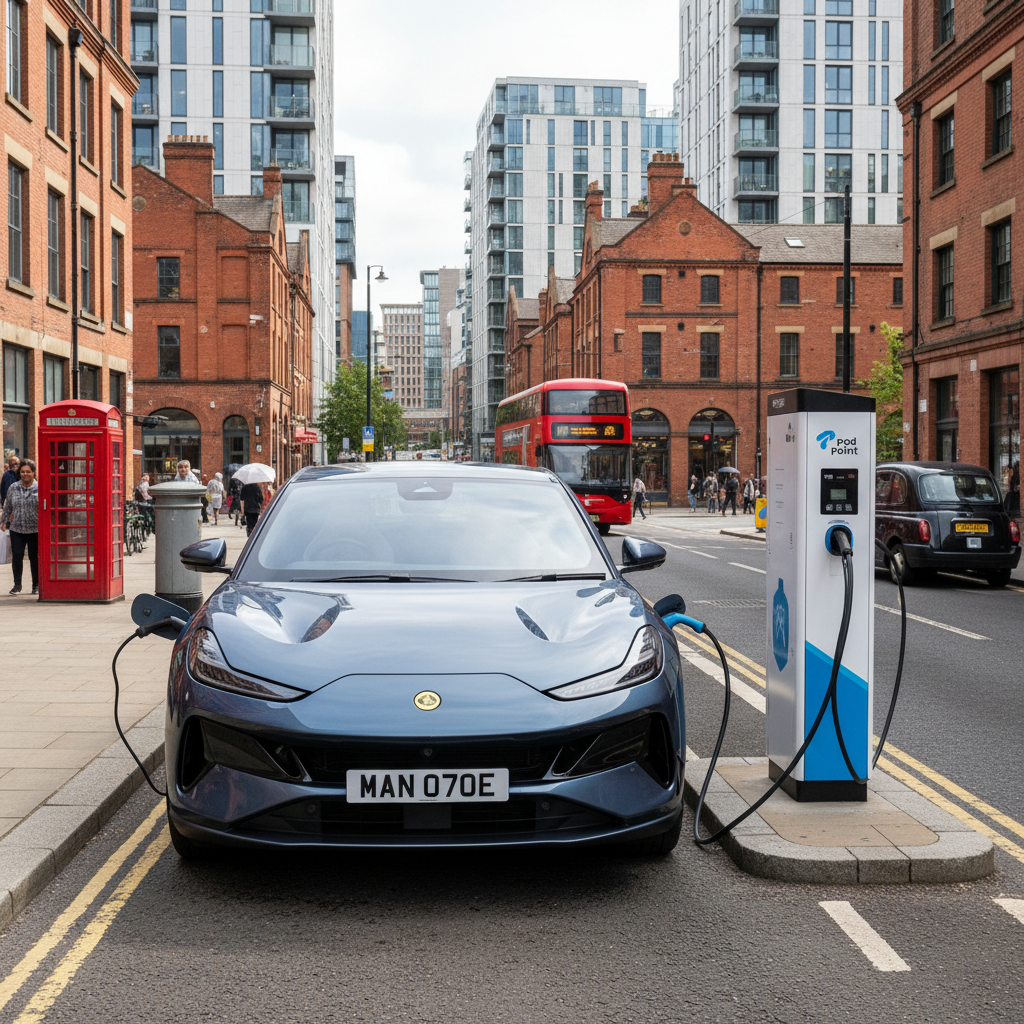
For British drivers, this tech is finally starting to align with some serious domestic infrastructure upgrades. We are moving away from simple plug-and-play sockets towards genuinely intelligent local hubs. Take EV charging provider EZO (formerly EasyGo). They recently secured a massive £176 million, 15-year contract to run EV charging infrastructure across four key councils in the Midlands, as reported by EV Infrastructure News. This sort of long-term commitment ensures regional networks actually keep pace with the number of EVs hitting our tarmac.
Meanwhile, the tech behind these chargers is getting seriously smart. Public network InstaVolt has committed £2.5 million into new localised Battery Energy Storage Systems (BESS) at its charger sites, with dozens more planned. By storing green energy from wind and solar when demand is low, these battery buffers can dump clean power straight into your car when the grid is busy. I reckon this is a brilliant way to protect motorists from peak-rate energy prices while allowing ultra-rapid 350kW chargers to deliver 200 miles of juice in just 20 minutes. It is spot on.
The Practical Verdict for Everyday Drivers
This shift means the car you buy tomorrow will be a different beast entirely. It won't just sit there getting cold. It will actively work to lower your household energy bills while doing its bit for the environment. By pairing clever on-board software with major grid investments, we are finally bridging the gap between clever engineering and genuine, everyday usefulness.
Key Takeaways
- Vampire Miles vs. Smart Routing: Empty robotaxis waste a massive amount of power. Tomorrow's software-driven cars must prioritise energy efficiency.
- V2G is Already Here: With over 250,000 V2G-capable cars already on the roads from the likes of GM, using your car to power your home is no longer science fiction.
- Local Grid Support: Big investments like InstaVolt’s battery buffers and EZO’s £176 million Midlands deal mean regional networks can actually handle the EV surge.
- The 300-Mile Standard: Upcoming cars like the Rivian R2 are set to make long-range electric travel far more affordable for everyday families.
Let's be honest, the clean motoring future is not some distant sci-fi dream. It is being wired into British streets right now. If you opt for an EV today, you are not just buying a cleaner way to get to the shops. You are investing in a much smarter, more resilient way to power your home.